Blog
Discover articles on process optimization, customer experience, automation and operational efficiency.
Descoperă articole despre optimizarea proceselor, customer experience, automatizare și eficiență operațională.

Un client nu reușește să își activeze un serviciu. Altul vrea să înțeleagă o informație din factură. Un alt client are întrebări despre abonament sau despre modul în care poate folosi un serviciu. În Telecom Support, situațiile sunt diferite de la o conversație la alta. Rolul tău este să înțelegi problema și să îl ajuți pe client să ajungă la un răspuns clar.

Un client își activează un serviciu, încearcă să îl configureze, verifică prima factură, schimbă un abonament, cere ajutor pentru o problemă tehnică și, la un moment dat, decide dacă rămâne sau caută o alternativă. În Telecom, Customer Experience nu se construiește într-o singură conversație, ci dintr-o succesiune de interacțiuni care trebuie să funcționeze împreună. Tocmai de aceea, o întrebare utilă pentru operatori nu este doar „cât de repede răspundem?”, ci și „cât de mult îl punem pe client să muncească pentru a obține ceea ce are nevoie?”.

Sometimes, a working day does not follow the usual script. An application stops working properly, several colleagues report the same error, a process becomes blocked or a situation arises that cannot be resolved using the usual steps. In moments like these, the difference is not made by the person who reacts fastest, but by the one who manages to keep things clear. Incident management in customer support means identifying the problem, understanding its impact, communicating the right information and involving the right people until the situation is stabilised. It is not a role about constantly “putting out fires”, but about discipline, attention to detail and the ability to work effectively when things do not go according to plan.
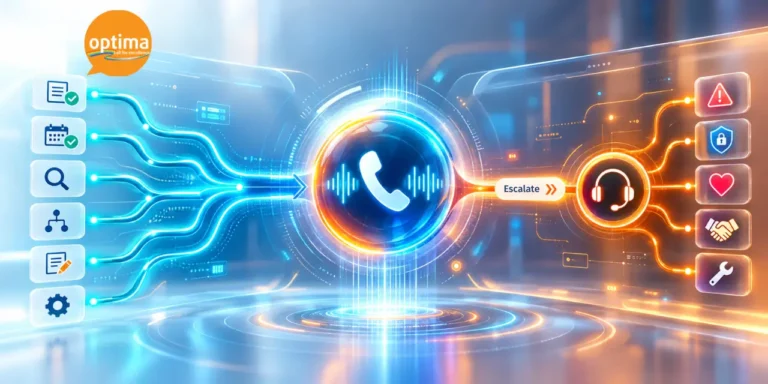
Nu toate apelurile au nevoie de aceeași combinație de timp, experiență și intervenție umană. Un client care vrea să afle statusul unei solicitări are o nevoie diferită de unul care contestă o factură, semnalează o fraudă sau încearcă să rezolve o problemă tehnică neobișnuită.

In any business that works directly with customers, complaints are inevitable. A product may not work as expected, information may be unclear, a process may take too long or the overall experience may simply fall short of expectations. What makes the difference is how the company responds once the customer says there is a problem. For a Contact Center, a complaint is not just a request that needs to be closed, but a moment when the relationship with that customer can either be protected or further damaged. That is why complaint handling can become an important part of customer retention, without assuming that every dissatisfied customer can automatically be persuaded to stay.

“Thank you for your help. Have a nice day!” The call ends, and for the customer, the issue seems resolved. They may have needed some information, help with a technical problem or clarification about a situation that was causing difficulty. They received an answer and move on with their day. From the customer’s perspective, that is the end of the conversation. From a Contact Center perspective, however, the interaction can reveal much more. Why did the request arise? Where did the customer encounter difficulty? Was the issue resolved at the first contact, or was a follow-up needed? Is it an isolated case, or does the same question keep coming up? When viewed in context, the answers can turn an apparently finished conversation into a valuable source of insight into the customer experience.
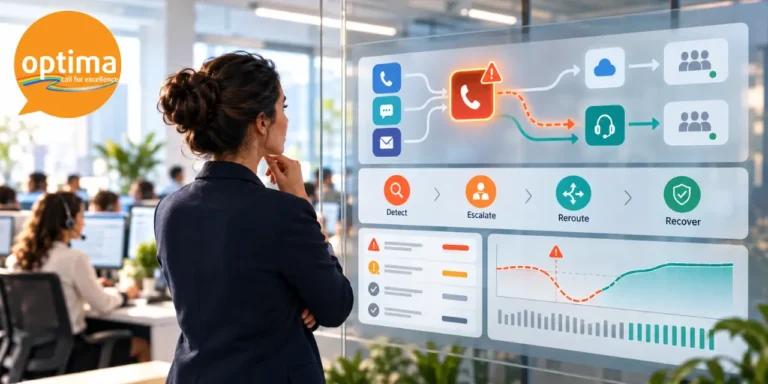
A system stops responding. A platform becomes unavailable. A connectivity issue affects part of the team. An external event suddenly generates far more requests than usual. In a Contact Center, situations like these do not only affect internal operations. Their impact reaches the customer very quickly. If customers cannot get in touch with the team, receive incomplete answers or find that an important request remains unresolved, a technical or operational issue becomes a Customer Experience issue. That is why operational continuity does not mean assuming that nothing will go wrong. It means knowing what to do when something does not work as planned.
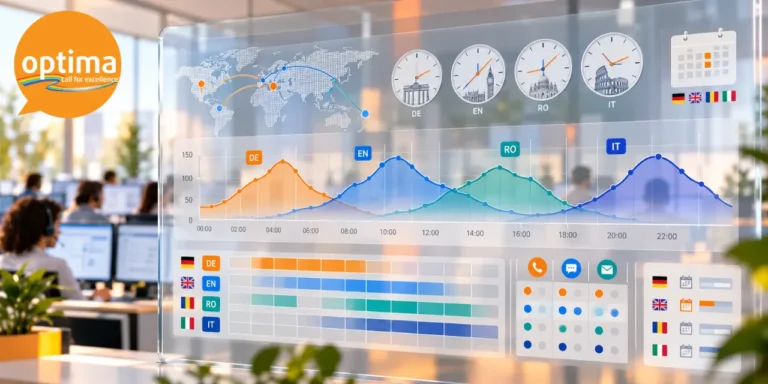
At first glance, a team of 50 people may seem sufficient for a project. In a multilingual operation, however, that number tells you very little unless you also know which languages they speak, what types of requests they can handle and when they are available.
You may have enough people overall and, at the same time, too few German-speaking colleagues during a busy period. You may have spare capacity on one channel while requests are waiting on another. Or you may find that a local holiday, a campaign or different customer habits completely change the rhythm of a particular market.

A new campaign, a sale, invoicing, or a technical issue can change the pace of a customer support operation in just a few hours. For the customer, the situation is simple: they need help and expect a response. They don’t care that hundreds of other people are contacting the company at the same time. For the team behind the scenes, however, the difference between a busy day that’s managed well and one that puts pressure on the entire operation is determined before the volume even spikes.
Pentru echipa din spate, însă, diferența dintre o zi aglomerată gestionată bine și una care pune presiune pe întreaga operațiune se construiește înainte ca volumul să crească.

Your first coaching session in a new job can be a bit nerve-wracking. When you hear that you’re going to be discussing your work, it’s natural to wonder if you’ve done something wrong or if a difficult evaluation is coming up.
In a team where professional development is taken seriously, coaching should mean something else: a conversation in which you understand what you’re already doing well, what you can improve, and, above all, how you can do this in your day-to-day work.

Organizarea informațiilor în suport clienți înseamnă crearea unei surse clare și actualizate de răspunsuri, proceduri, scenarii și reguli de escaladare, astfel încât echipele să poată răspunde mai rapid, mai consecvent și cu mai puține erori.

Planificarea operațională înseamnă organizarea resurselor, programelor și capacității echipelor astfel încât serviciile oferite clienților să rămână stabile, eficiente și bine coordonate.

Transferul unui proces către un partener BPO fără întreruperi presupune analiză operațională, documentarea fluxurilor, definirea responsabilităților, pregătirea echipei, training, testare, lansare controlată, monitorizare și ajustări în primele săptămâni.

Un specialist în calitate în customer support evaluează conversații, urmărește respectarea procedurilor, identifică zone de îmbunătățire, oferă feedback și ajută echipele să livreze interacțiuni mai clare, mai consecvente și mai utile pentru clienți.

Costul real al unei operațiuni de suport include salarii, recrutare, training, management, spațiu, echipamente, licențe, raportare, fluctuație de personal, calitate, scalare și timp de coordonare. Un partener BPO poate reduce presiunea operațională prin echipe pregătite, procese clare, flexibilitate și raportare.

Primele 90 de zile la Optima includ training, acomodare cu proiectul, învățarea procedurilor, exercițiu practic, feedback din partea trainerilor și coordonatorilor și trecerea treptată către autonomie în rol.

A request for proposal for outsourcing contact center services must include the company’s objectives, types of interactions, support channels, estimated volumes, work schedule, required languages, the KPIs to be tracked, reporting requirements, security policies, and partner evaluation criteria.

From Agent to Industry Expert: How You Can Grow Professionally Through Optima’s Specialized Projects At first, the role of an agent may seem like just the first step. You answer questions, learn procedures, use platforms, talk to different people, and try to understand what a good conversation with a client actually means. But over time, if […]

Predictability in insurance means using data from interactions, claims, documents, and communication channels to better anticipate policyholders’ needs. Data analysis can help companies reduce response times, identify bottlenecks, and provide clearer support, without replacing the expert decisions made by insurance teams.

A role in travel support involves helping customers with information about reservations, changes, confirmations, travel services, or next steps before, during, or after a trip. This role is a good fit for people who are communicative, detail-oriented, and interested in tourism, hospitality, and international interactions.

Scaling in tourism means rapidly and controllably increasing support capacity during peak periods through flexible teams, clear processes, well-organized channels, and escalation rules, so that customers receive prompt responses without compromising service quality.

An Automotive Support role for electric vehicles involves guiding customers, dealers, or users on issues related to charging, range, mobile apps, connectivity, and service appointments, as well as directing technical cases to the appropriate teams.

Suportul pentru mașini electrice înseamnă asistență specializată pentru clienți, dealeri și rețele de service în situații legate de încărcare, autonomie, aplicații mobile, conectivitate, programări în service și direcționarea cazurilor tehnice către echipele potrivite.

Translator de Sănătate: Folosește-ți limbile străine în proiecte farmaceutice globale Hai să ne cunoaștem! Să vorbești bine o limbă străină este o abilitate valoroasă. Să o folosești într-un context în care comunicarea ajută oameni, echipe și proiecte din zona farmaceutică globală este deja un pas mai departe. Într-un rol de suport multilingv pentru proiecte pharma, […]

Omnichannel in Pharma: How to Optimize Communication Between Physicians and Providers Let’s get to know each other! Omnichannel in pharma actually stems from a very simple need: for information to reach the right person at the right time, without unnecessary back-and-forth between channels, teams, and systems. In an industry where doctors have limited time and suppliers manage requests […]