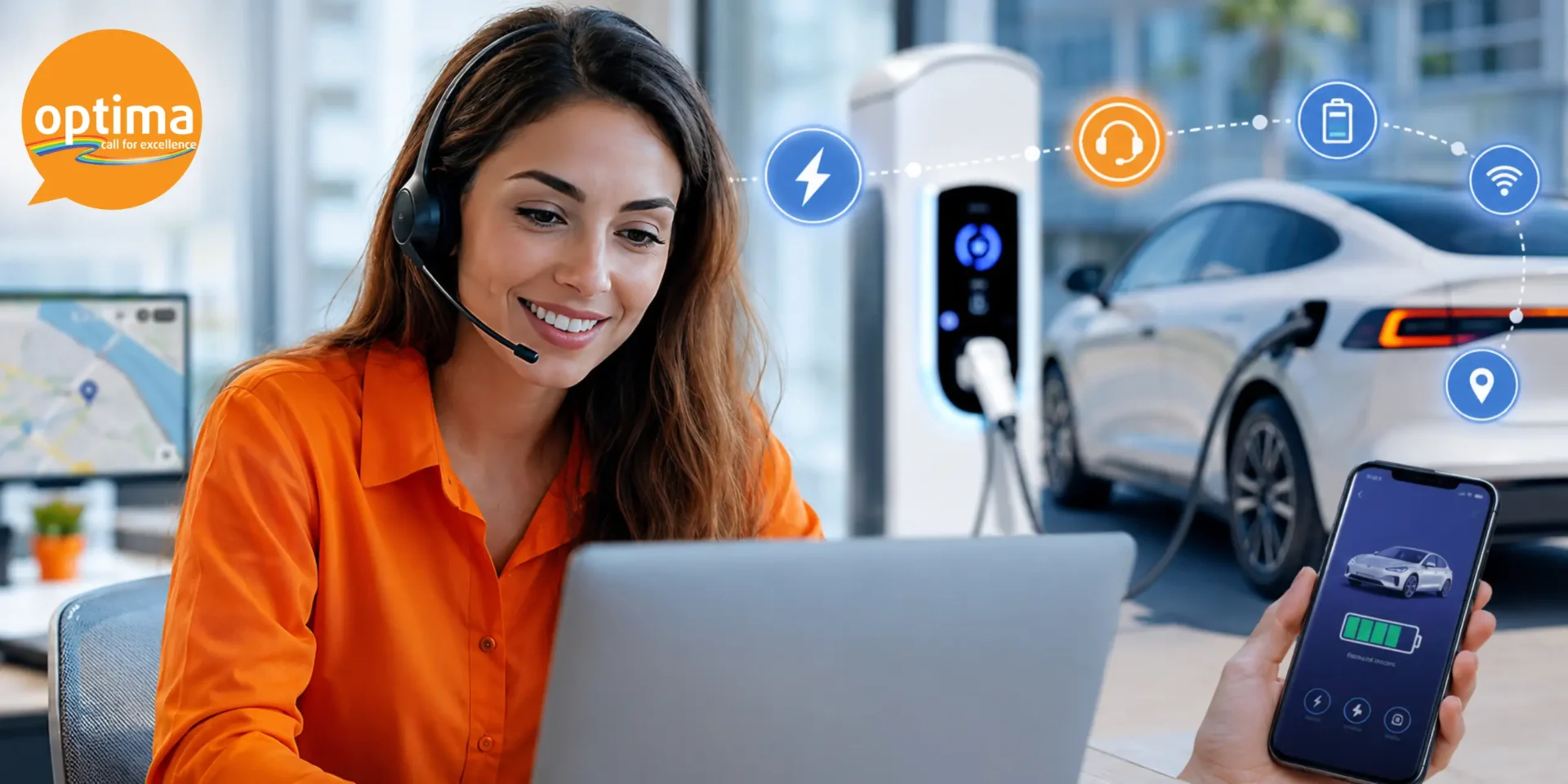
Support for Electric Cars: How We Help Customers Better Understand Everyday Technology
Electric cars have changed the way drivers interact with automotive brands. In the past, many questions arose in the showroom, at the dealership, or at the service center. Today, a significant part of the experience begins after delivery, when the customer tries to understand how charging, range, the mobile app, software updates, and the messages displayed by the car work.
For companies in the automotive industry, this change presents a new challenge. Customers don’t just need technical information. They need clear explanations, quick answers, and a straightforward path to the right team when the situation becomes more complex.
This is where specialized support for electric vehicles comes in. It’s not just about customer relations, nor is it technical service per se. It’s the intersection of technology, everyday use, and the driver’s experience. And this area requires trained people, clear processes, and empathetic communication.
As electric cars become more prevalent on the market, more questions arise about charging, range, apps, connectivity, and service appointments. For a driver, a seemingly simple situation can quickly become frustrating: the car won’t charge at a certain station, the app doesn’t confirm the order, the range seems different from the estimate, or a message appears on the dashboard that they don’t understand.
Based on Optima’s experience with specialized support projects, many difficult conversations don’t stem from a highly complicated problem, but rather from a lack of clarity. The customer doesn’t know whether the problem is with the car, the cable, the charging station, the app, the account being used, or a temporary setting. If the response is vague, the customer is left feeling like they’re being passed around between departments. If the support workflow is well-structured, the consultant checks the basic steps, clarifies the situation, and routes the request correctly.
A concrete example is a call from a customer who is unable to charge their car before a long trip. For them, this isn’t just a technical issue. It’s a situation that disrupts their plans for the day. The consultant must remain calm, ask the right questions, verify the information allowed by procedure, and explain the next step without making promises that fall under the purview of the service department, the dealer, or the station operator. In moments like these, the difference between ordinary support and good support is evident in tone, clarity, and operational discipline.
Support for electric cars cannot be improvised. A good team doesn’t need to know everything about every model, but it must know how to work with scenarios, guidelines, limits of responsibility, and escalation rules. It’s the right questions that matter: which model is involved, what type of charging does the customer use, what error message appears, whether the issue is recurring, what steps have already been tried, and when the technical team should be brought in.
For manufacturers, dealers, and charging service providers, the value of a support partner lies not just in answering calls. The real value comes when requests are understood, documented, and routed correctly. A well-designed workflow helps customers receive clearer responses and enables the company to better identify where bottlenecks occur: in the app, in communication with dealers, in service appointments, or in the information available to users.
At Optima, our approach is based on the idea that technology should be explained in accessible language. Electric cars are becoming increasingly advanced, but the customer experience shouldn’t become more complicated. A well-trained consultant can translate technical steps into a clear conversation, without unnecessary jargon or explanations that overwhelm the user.
At the same time, support must adhere to clear boundaries. The consultant does not replace authorized service and does not perform advanced technical diagnostics. Their role is to clarify the situation, guide the customer through the basic steps, gather relevant information, and escalate the case when necessary. It is precisely this clear separation of responsibilities that protects both the customer and the company.
Electric mobility also creates a greater need for coordination across multiple touchpoints. A customer might start with the app, visit a dealer, need service, or contact a charging station operator. If each touchpoint provides different answers, the experience becomes confusing. That’s why well-organized support is essential for creating continuity: the same verification process, the same routing rules, and the same commitment to providing clear answers.
For automotive brands, support for electric vehicles is not just an operational function. It’s an important part of building customer trust in the technology. An electric car may be high-performing, modern, and efficient, but if the user doesn’t feel supported when a question arises, the overall experience can suffer.
This is where Optima can make a difference, with trained teams, clear processes, reporting, and the ability to tailor our support to the specific needs of each project. We’re not talking about standard, cookie-cutter responses, but rather a working model in which people, procedures, and technology work together.
An effective support model for electric vehicles should cover frequently asked questions, basic troubleshooting, application support, service appointments, technical case escalation, and reporting of recurring issues. In the long term, this information can help the company improve customer materials, reduce repetitive inquiries, and identify areas where the customer experience can be streamlined.
Technology will continue to evolve. Cars will become more connected, applications more complex, and digital services more important. But that is precisely why human support remains essential. Customers don’t just need intelligent systems. They need someone to help them understand what’s happening and what to do next.
Support for electric cars is, ultimately, about trust. Trust that the brand will remain close to the customer even after delivery. Trust that a problem won’t get lost between departments. Trust that the technology can be explained simply, without pressure and without confusion.
Do you want to improve support for electric vehicle customers, dealers, or charging services? Schedule a meeting with the Optima team and find out how we can work together to build a support model tailored to your processes.