Telemedicine and L1 Triage: How to Reduce the Burden on Clinics Through Specialized Digital Support
Telemedicine has become an important part of the patient experience. Online consultations, digital appointments, messages via medical platforms, and calls to the clinic are already common channels of communication.
For clinics, this change brings efficiency, but also operational pressure. More channels mean more requests, more questions, and a greater need for coordination.
This is where L1 triage comes into play: the first level of support that receives administrative requests, clarifies them, and routes them correctly.
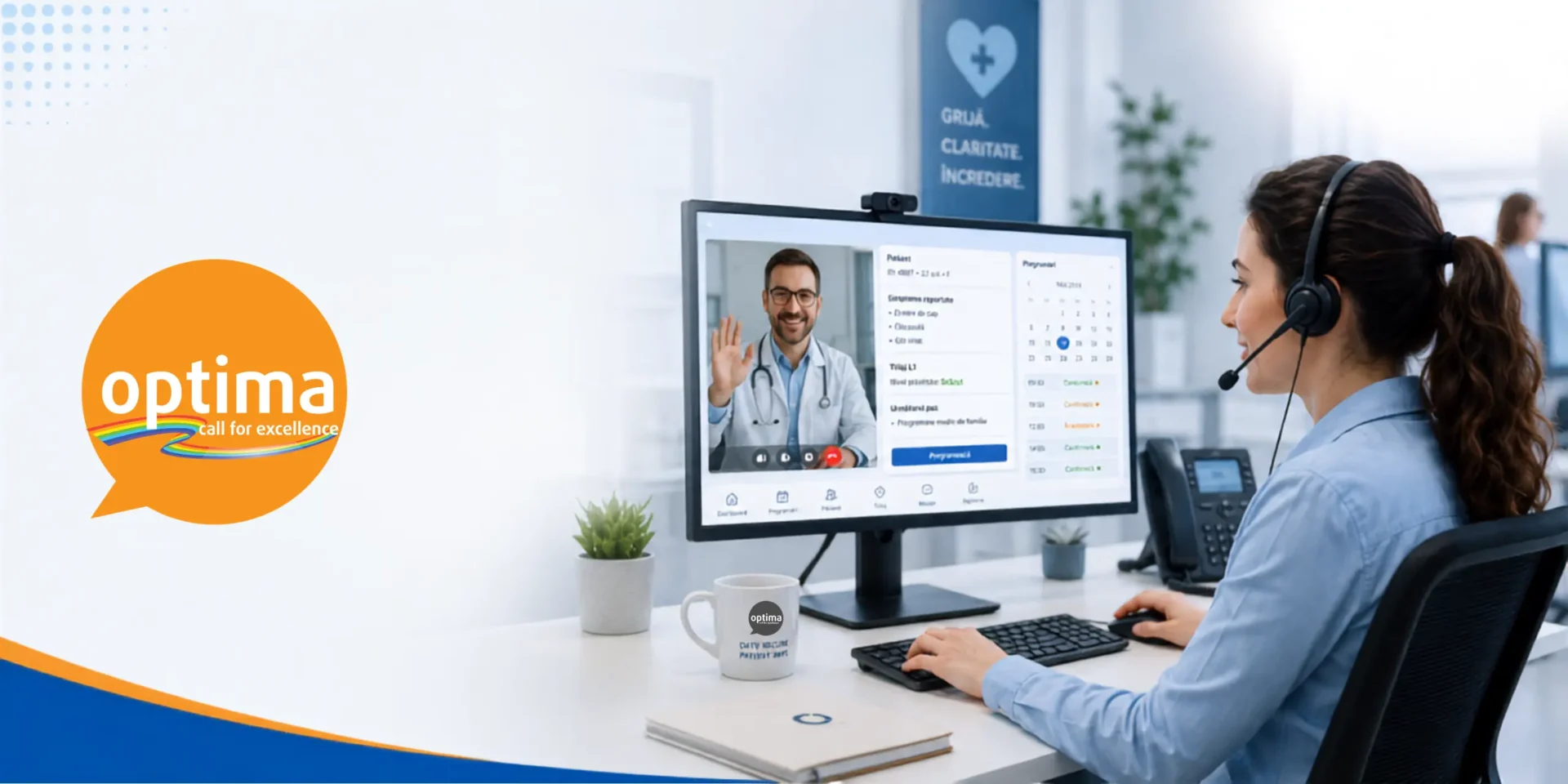
At Optima, we support clinics through specialized teams that combine empathetic communication, clear processes, and technology, so that medical staff can focus on their clinical work.
What is L1 triage in telemedicine?
L1 triage is the first point of contact between the patient and the clinic.
This does not constitute a diagnosis, medical advice, or interpretation of symptoms. Its purpose is to handle inquiries that do not require direct clinical intervention.
Examples of requests that can be handled at the L1 level:
- scheduling and rescheduling;
- appointment confirmations;
- administrative information;
- support for accessing a telemedicine platform;
- directing the patient to the appropriate department;
- collecting basic information in accordance with procedures;
- referring cases to medical staff when necessary.
This allows the clinic to better organize its communication workflow without placing an unnecessary burden on the front desk, the internal call center, or the medical staff.
Why do clinics need specialized digital support?
In a clinic, every minute the medical team has is important. When doctors, nurses, or receptionists are bogged down with repetitive questions, the time they can devote to patients may be affected.
A specialized digital solution can help clinics manage the following more efficiently:
- an increase in the number of requests;
- call peaks;
- administrative questions;
- confirmations and rescheduling;
- patients' technical difficulties;
- multi-channel communication.
The result is a clearer workflow for the clinic and a better patient experience.
How Can Optima Help Relieve the Burden on Clinics?
Optima can handle L1 support activities through trained teams, clear processes, and regular reporting.
1. Preluarea solicitărilor administrative
Consultants can handle questions about appointments, availability, required documents, cancellations, or rescheduling.
This allows internal teams to focus on activities that require a physical presence or medical expertise.
2. Support for telemedicine platforms
Patients may need help with:
- clicking on the link to view the information;
- uploading documents;
- logging in to the platform;
- understanding the basic technical steps.
A well-trained L1 support staff can reduce confusion and improve the patient experience.
3. Proper Routing of Requests
Not all requests need to go to the doctor. Some are about appointments, others about documents, billing, or technical support.
L1 triage helps classify requests and escalate them to the appropriate team.
4. Empathetic Communication
In healthcare, patients may be anxious, in a hurry, or uncertain. That is why support must be not only prompt, but also calm, clear, and empathetic.
At Optima, technology supports people, but it does not replace human attention in conversation.
5. Reporting and Visibility
Through well-defined processes, the clinic can better understand:
- What are the most common requests?;
- What are the peak hours?;
- where bottlenecks occur;
- what information patients most frequently seek;
- Which processes can be optimized?.
Benefits for the clinic
An L1 support model can help the clinic achieve:
- less pressure on the receiver;
- time better spent by medical staff;
- faster responses for patients;
- more standardized communication;
- clearer programming workflows;
- easier scaling during peak periods.
Benefits for the patient
For the patient, specialized digital support means:
- clearer answers;
- less waiting;
- steps that are easier to follow;
- support for digital platforms;
- a more relaxed experience before the appointment.
In the medical field, the patient experience begins before the appointment with the doctor. It starts with the first phone call, the first message, or the first appointment.
Recommendations for Clinics
To effectively implement L1 triage, clinics can start with a few simple questions:
- Which recurring requests take the most time?
- What questions can be addressed without a doctor's involvement?
- Where do patients encounter the most obstacles?
- Which channels do patients use most often?
- What climbing rules are required?
- Which metrics should be tracked monthly?
The answers to these questions help build a support model tailored to the specific circumstances of each clinic.
FAQ
What is L1 triage in telemedicine?
L1 triage is the first level of support for patient requests. It handles administrative, technical, or operational requests and directs cases to the appropriate team.
Does the L1 triage provide medical advice?
No. The L1 triage does not provide a diagnosis, medical interpretation, or clinical recommendations. Medical decisions remain the responsibility of licensed medical personnel.
What activities can be outsourced?
Activities such as scheduling, confirmations, support for digital platforms, administrative communications, and routing requests can be outsourced.
How does a medical contact center help clinics?
A medical contact center can reduce the pressure on internal teams, handle higher volumes of inquiries, and provide patients with clearer and faster communication.
What can Optima do for a clinic?
Optima can support clinics through Level 1 support teams for scheduling, confirmations, digital support, routing requests, and operational reporting.
Telemedicine isn't just about digital platforms. It's also about clear processes, empathetic communication, and well-organized support.
Through L1 triage and specialized digital support, clinics can reduce the pressure on their internal teams, better manage patient requests, and provide a clearer, faster, and more predictable experience.
Do you want to optimize your patient support workflows? Schedule a meeting with the Optima team and discover how we can work together to build an L1 triage model tailored to your clinic.